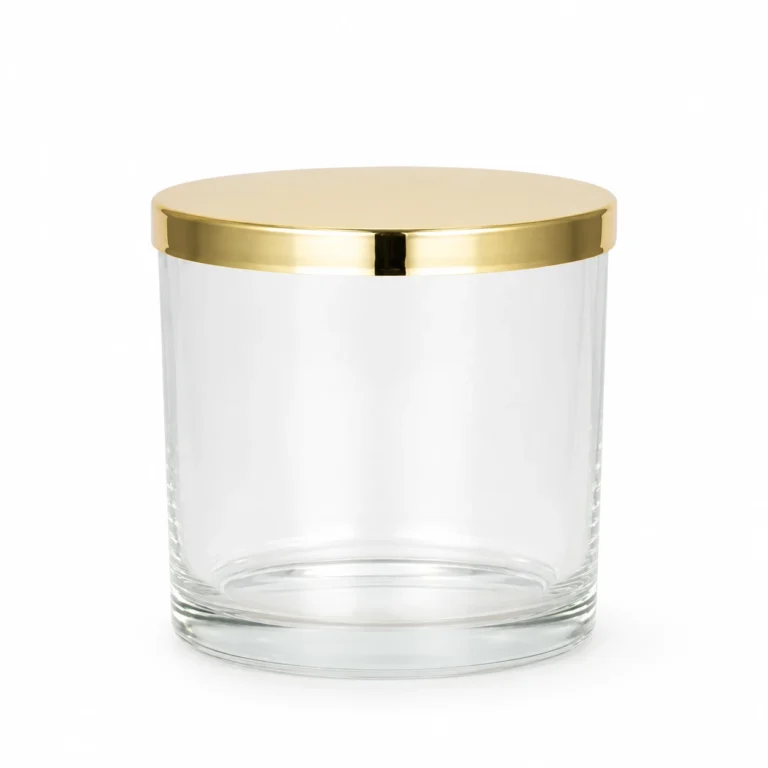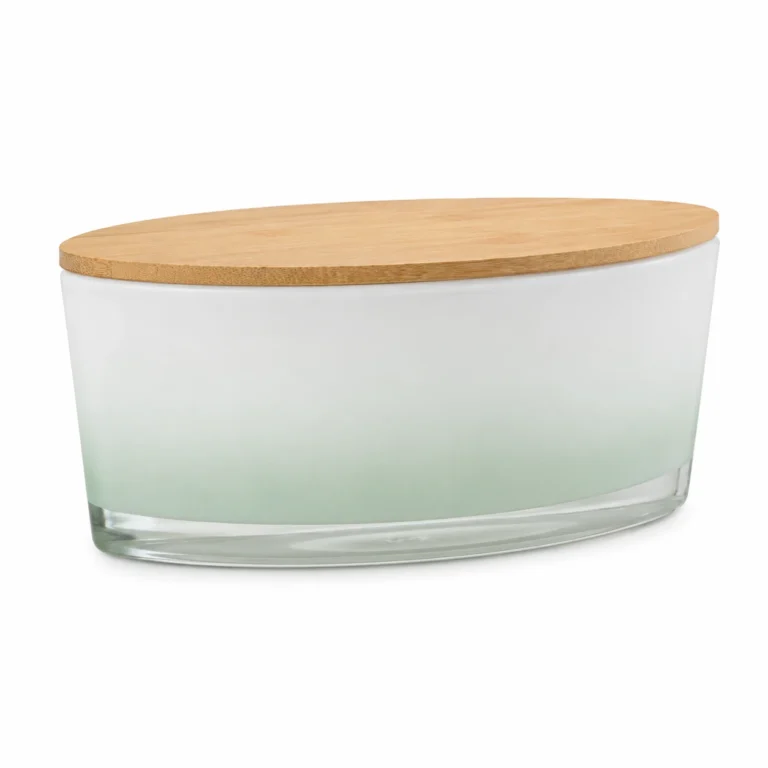

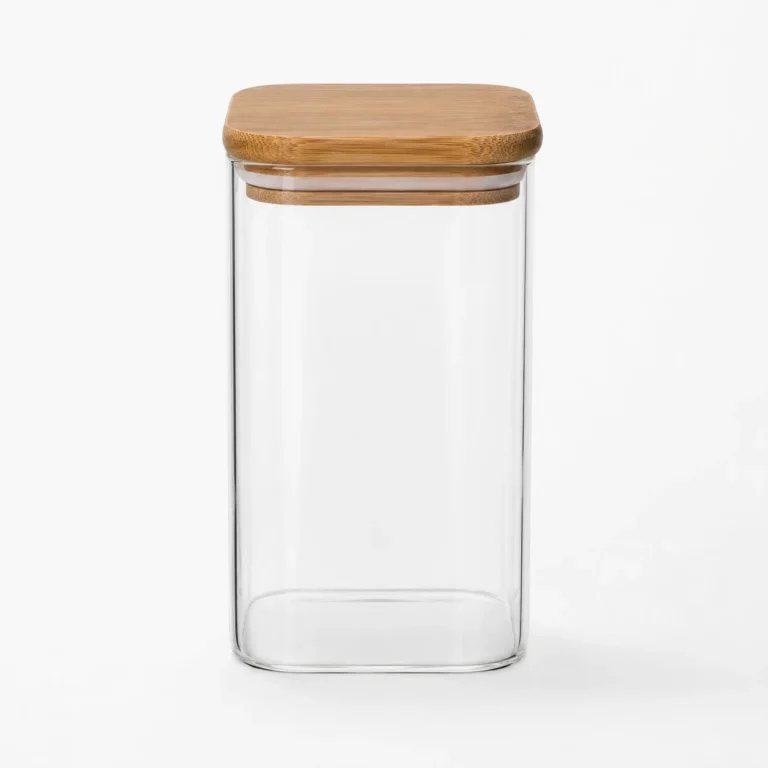
3-wick candle jars require enough internal diameter for balanced wick spacing and a melt pool that develops evenly across the vessel. Selecting a wide jar only by nominal capacity can lead to poor wick spacing, excessive heat or incomplete wax consumption.Measure the actual inner diameter, choose starting wick candidates for the intended wax and fragrance, then test spacing, flame interaction, vessel temperature and melt-pool development through the full candle life. Approve the lid, decoration and finished pack only after the candle system is validated.
Available Products
Showing 1–3 of 3 products
Need help narrowing the options?
Share your fill, capacity, closure, branding and packing requirements. We can shortlist suitable packaging systems before you order samples.
Confirm the usable inner diameter at the wax-fill level before deciding that a vessel is appropriate for three wicks.
Keep wick positions symmetrical and clear of the sidewall; validate spacing with the real wick and wax system.
Observe combined flame heat, vessel temperature and melt-pool depth during burn testing.
Check total filled weight and packaging strength because wide multi-wick candles can be substantially heavier.
Capacity should support the intended wax mass and headspace while maintaining enough diameter for three-wick spacing. A larger volume does not automatically mean a better multi-wick vessel.
Complete repeated burn testing with the intended wax, fragrance and all three wicks. Review flame interaction, soot, vessel temperature and end-of-life behavior.
Project Support
Continue with the pages most relevant to the next sourcing, customization, validation or delivery decision for this application.
Coordinate jars, lids, decoration, packaging, sampling and repeat production for candle programs.
Explore page →Coordinate the container, closure, decoration, accessories, packaging, QC and delivery in one project.
Explore page →Build gift boxes, cartons, inserts, labels and branded retail presentation around the glass product.
Explore page →Related Resources
Review the most relevant cases, catalogs and videos before finalizing a product configuration or requesting samples.
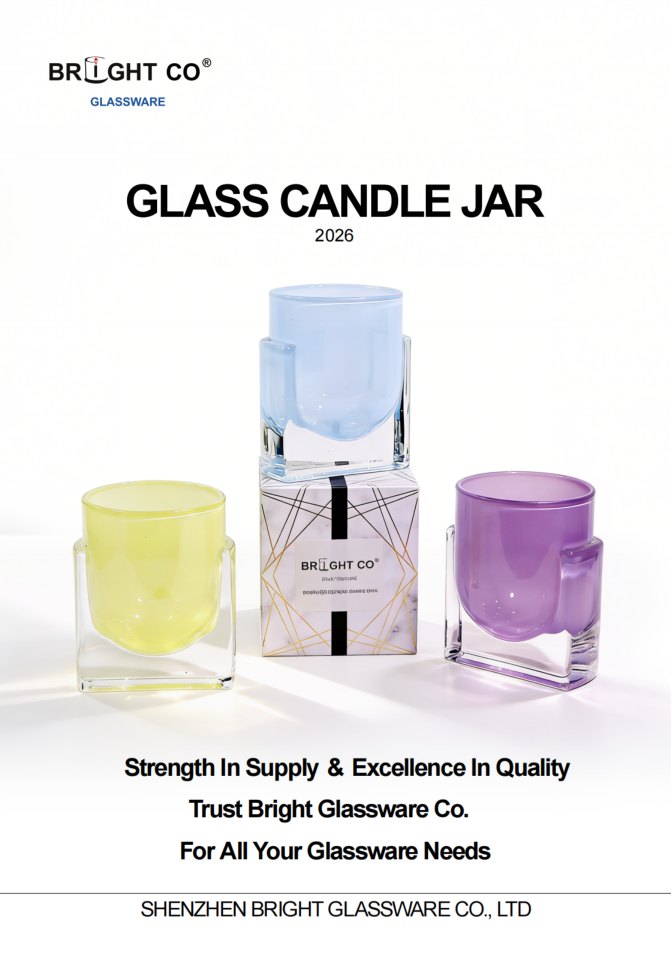
A 20-page glass candle jar catalog covering standard and decorative vessels, custom branding, accessories, packaging and one-stop candle solutions.
View Resource →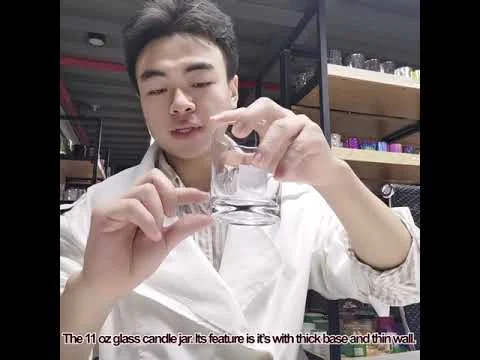
A product demonstration of wholesale glass candle jars, showing the glass quality, shape and practical details for candle packaging projects.
View Resource →FAQ
These answers cover the questions most likely to affect packaging selection, component compatibility, sampling and quotation for this application.
Still have a question? Ask our team →For a 3-wick candle, focus on the usable internal diameter, wick spacing, wax depth, base shape and finished fill level. A wide jar is not automatically suitable for three wicks. Test the selected vessel with the actual wax, fragrance and wick system, then evaluate melt-pool development, flame behavior, heat distribution, soot and remaining wax before approving the finished candle.
We can provide the jar dimensions needed for wick development, but a final wick specification must be validated with the actual candle formula. Wick performance changes with inner diameter, wax type, fragrance load, dye, wick material and the intended burn profile.
Use the vessel dimensions to select starting wick candidates, then complete repeated burn testing before approving the finished candle.
Start with the planned usable wax fill, target burn format, wick layout, label area, lid, box and desired shelf presence. Review outside dimensions together with the internal diameter and actual usable volume.
A wider jar may require a different wick configuration from a tall narrow jar. Request the drawing and sample, then confirm fill weight, component fit and burn performance before production.
Match the lid to the exact finished jar opening and rim, including any insert, sealing ring or internal structure used by the lid. Nominal diameter alone is not enough to confirm fit.
Approve the jar-and-lid combination on production-representative samples, check opening and closing feel, and then confirm the assembled height and fit inside the final retail and export packaging.
Request a Quote
Tell us the end use, product format, target size, closure or dispensing needs, branding and packing requirements you already know. Our team can review suitable configurations and the next sampling or customization step.
We can narrow the container and component combinations that fit this application before you compare every model.
Container, closure, decoration and secondary packaging can be reviewed together as one application-specific system.
Confirm appearance, component fit, handling and decoration on samples before bulk production.