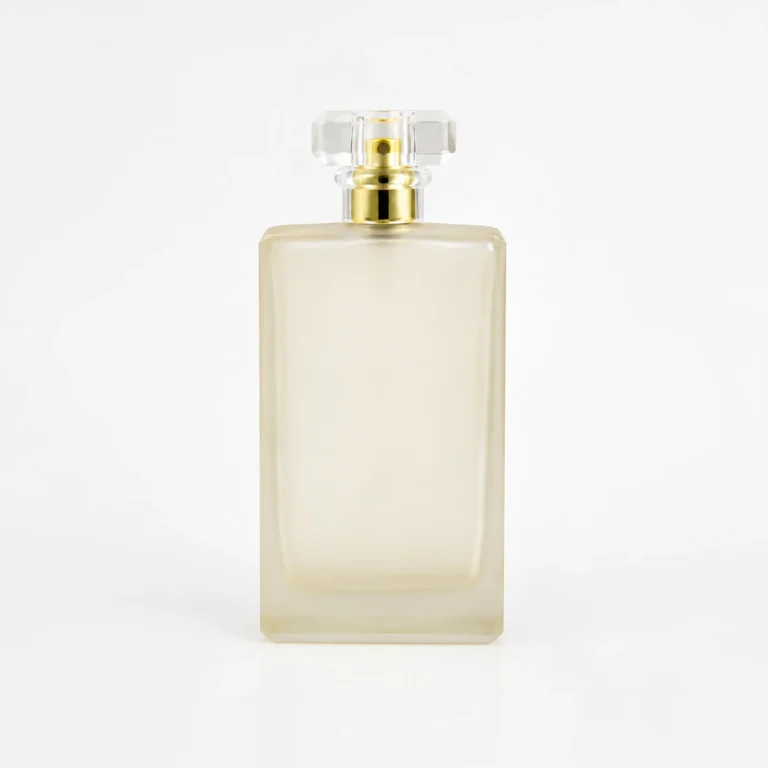
Yellow Perfume Bottles group fragrance bottles by their visible yellow appearance, not by one fixed manufacturing process. The same color family can look different depending on glass thickness, transparency, coating, surface texture and the fragrance inside, so buyers should approve the shade on the actual bottle rather than from a screen or swatch alone.Review the bottle with its pump, collar and cap assembled, then check logo contrast, surface durability and retail-box color coordination. Where color consistency matters across repeat orders, keep an approved physical sample and decoration specification as the production reference.
Available Products
Showing 1–1 of 1 products
Need help narrowing the options?
Share your target shade, Pantone, transparency, finish and branding method. We can shortlist suitable products and color routes before sampling.
Light, fresh yellow direction with higher brightness.
Warmer yellow direction with a more golden cast.
Higher-saturation yellow for strong shelf visibility.
Where supported by the selected product and material, color may be created in or through the body itself; availability is model- and material-dependent.
External color coating can create transparent, translucent or opaque effects; adhesion, rubbing and product-contact risk should be tested on samples.
Printing, decals, frosting, metallic accents or other decoration can be combined with the approved visible color when compatible with the selected surface.
This color family can be developed with different apparent transparency depending on the selected material and color process. Approve the shade with the actual contents because liquid color and wall thickness can change the visual result.
Pantone or another brand-color reference can be used as a target where the selected process supports color matching. Final approval should be based on a physical sample because substrate, transparency, gloss and lighting affect the perceived shade.
For repeat production, keep an approved physical color/finish sample and the confirmed process specification. Check representative pieces under consistent lighting because batch, material, thickness and process variation can shift the perceived shade.
Check logo contrast and registration together with bottle color, pump, collar and cap. Printing, decals, frosting or metallic details should be approved on the assembled fragrance bottle.
Project Support
Continue with the most relevant color development, sampling, decoration and quality-control pages for this collection.
Review color coating, frosting, printing, hot stamping, electroplating and logo application.
Explore page →Validate an existing model, decorated sample or custom concept before committing to bulk production.
Explore page →Plan bottles, pumps, collars, caps, decoration, boxes, samples and custom development together.
Explore page →Related Resource
A focused reference for this color collection, selected to help with color approval, product comparison, sampling or sourcing decisions.
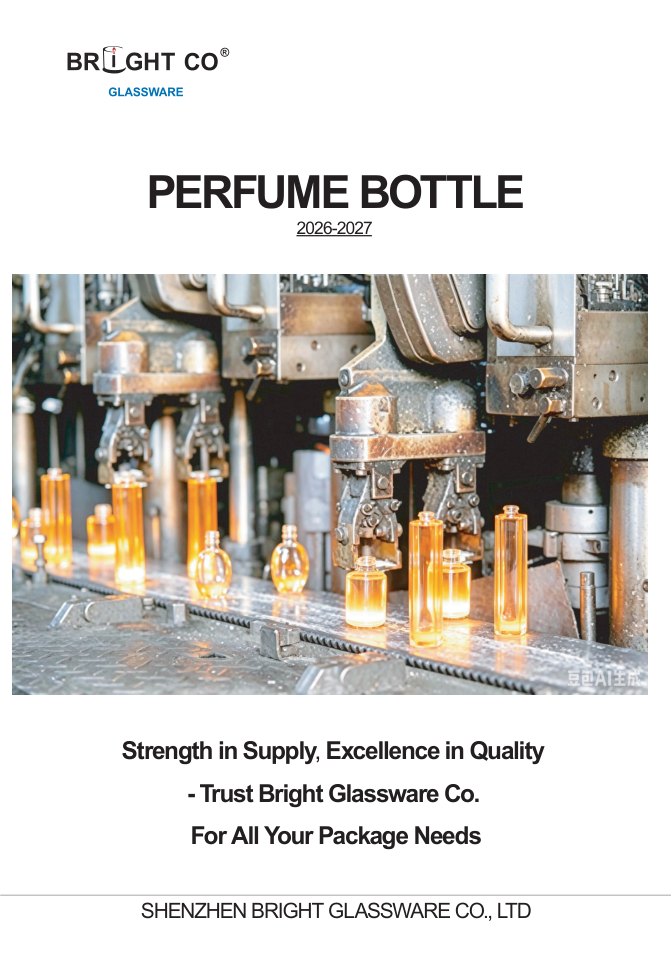
A 20-page perfume bottle catalog covering standard and custom glass bottles, atomizers, decoration, caps, packaging and mold-development capabilities.
View Resource →FAQ
These answers cover the questions most likely to affect product selection, sampling and quotation for this collection.
Still have a question? Ask our team →Yes. Pantone references can be used as a color target, but the final appearance should be approved on a physical sample. The same Pantone reference can look different on transparent glass, opaque coatings, ceramic, metal components and printed boxes because substrate, gloss and lighting affect the result. Provide the Pantone number and, when color accuracy is critical, a physical reference. Keep the approved sample as the benchmark for repeat orders.
Durability depends on glass preparation, the selected coating or printing system, curing, artwork, surface contact, fragrance exposure and packing. Different decoration methods can perform differently under rubbing, scratching or accidental formula contact.
Approve decorated samples and test adhesion, rubbing and compatibility with the intended filling and cleaning process before repeat production.
Yes. Existing bottles can often be differentiated without a new glass mold through color coating, frosting, printing, hot stamping, labels, electroplating, engraving, cap changes and custom retail packaging.
A custom mold is more relevant when the required silhouette, dimensions, opening or structural features cannot be achieved with an existing bottle. Compare both routes after the target quantity, timeline and design requirements are defined.
Yes. Bright Glassware can coordinate the glass bottle with the pump, collar, cap, decoration and retail box as one packaging project.
Provide the bottle model and capacity, neck specification, pump requirement, cap material or finish, decoration method and packaging requirements. Approve a complete assembled sample before the components are ordered in bulk.
Request a Quote
Share the target shade or Pantone reference, desired transparency or opacity, finish, logo method and packaging requirements you already know. Our team can compare existing color options first and advise the most practical sampling route.
We can narrow existing shades and finish routes before you spend time sampling every option.
Color, logo method, finish, closure and packaging can be reviewed together before approval.
Confirm appearance, fit and decoration on samples before bulk production.