Bright Glassware · Application · B2B Product Sourcing
New Product Launch
New-product launch packaging should reduce uncontrolled variables while the formula, vessel, component and artwork are being approved. A launch schedule becomes more reliable when container, closure and decoration decisions are locked in sequence rather than changing simultaneously during mass production.Use a clear sample-approval path: base product, component fit, decoration, final assembled sample and packing. Reserve enough time for corrections before the required ship date, especially for custom colors, molds, specialized caps or gift boxes.
Published Product Models
Explore New Product Launch Products
Review the actual available models, then compare specifications, components and customization options on the individual product pages.
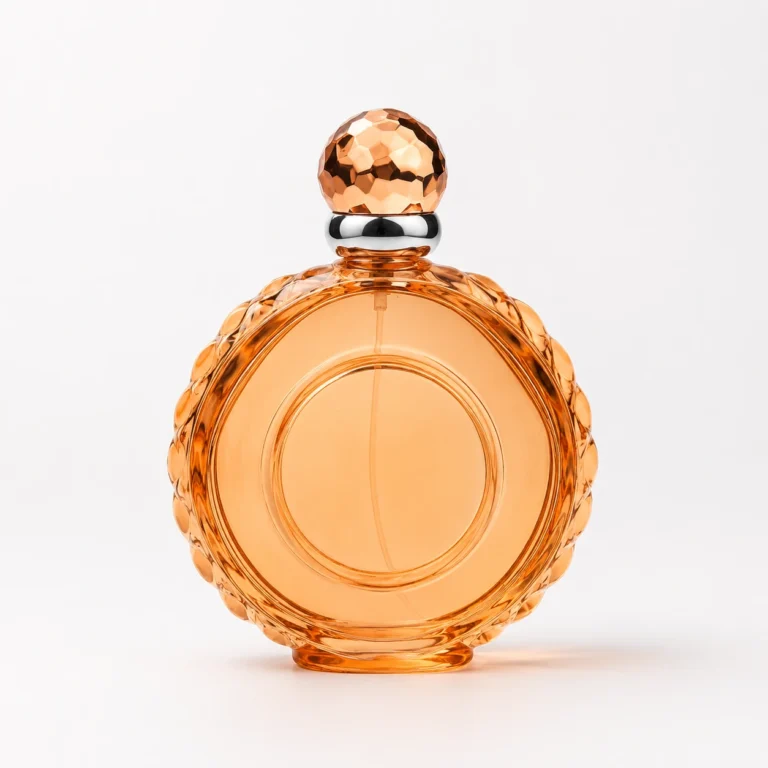
100ml Orange Textured Glass Perfume Bottle with Ball Cap – Wholesale
View Details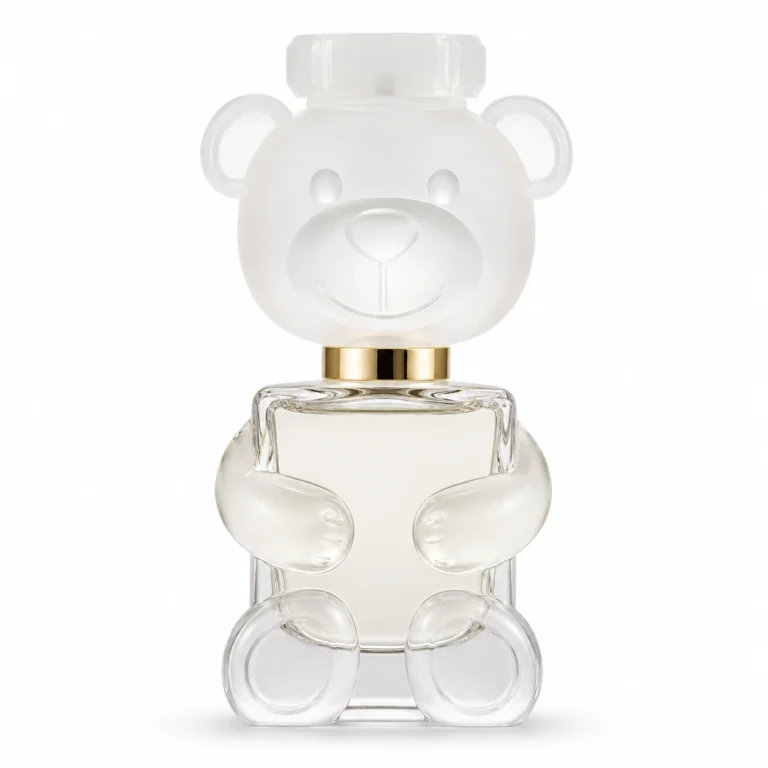
30ml Bear-Shaped Glass Perfume Bottle – Wholesale
View Details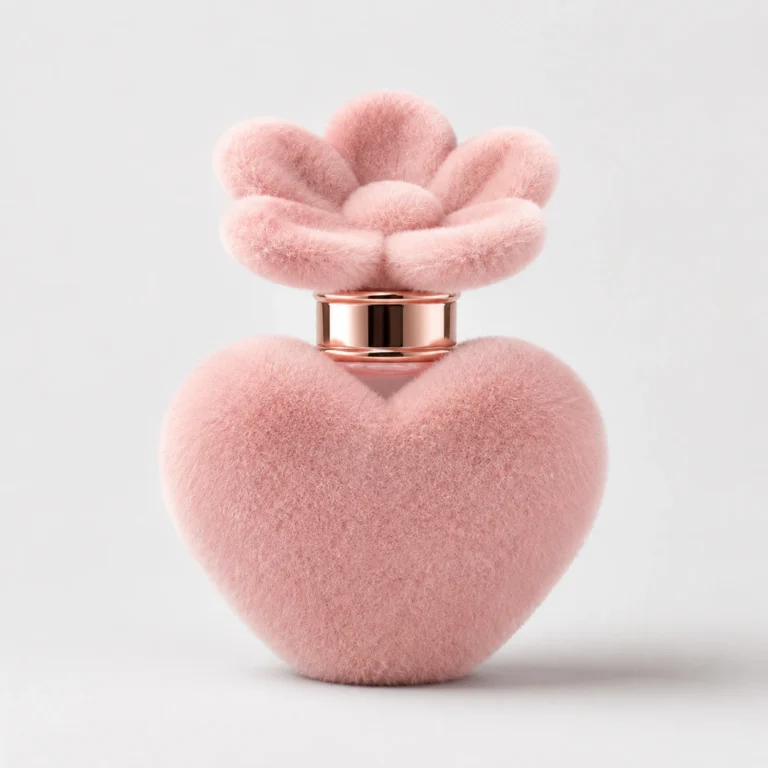
50ml Heart-Shaped Velvet Glass Perfume Bottle with Flower Cap – Wholesale
View Details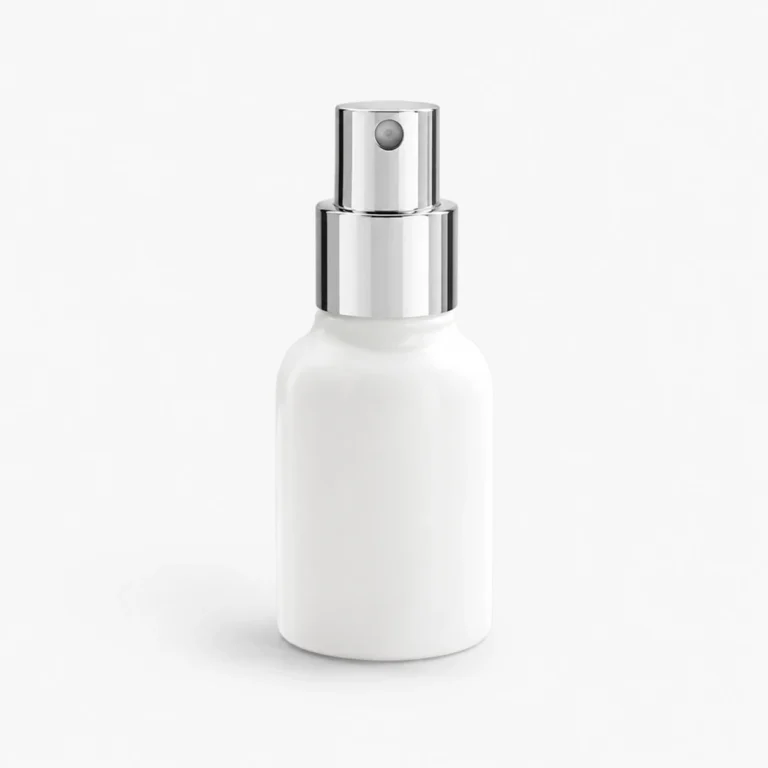
50ml White Porcelain Perfume Bottle with Fine Mist Sprayer
View Details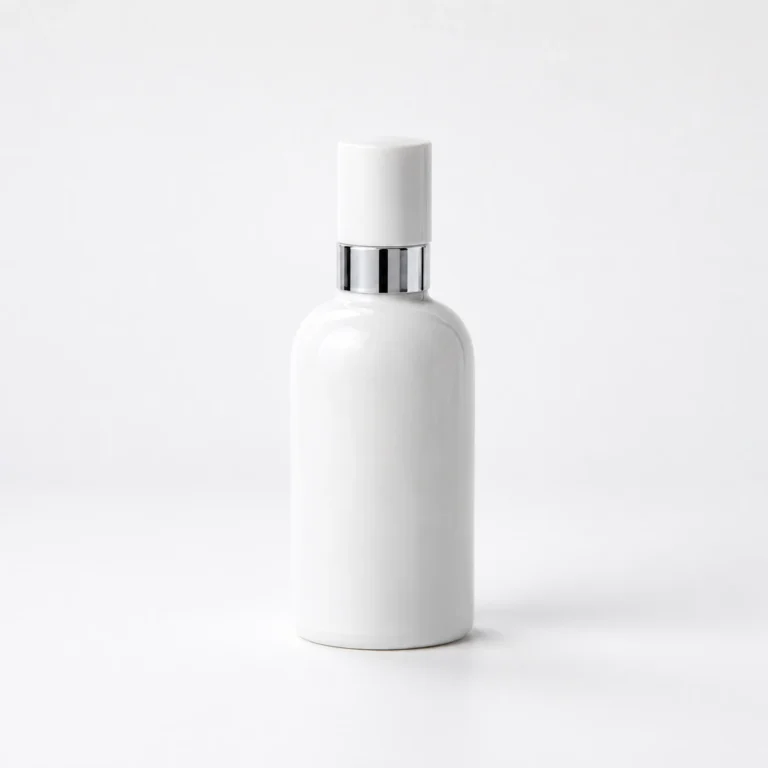
30ml / 50ml / 100ml White Opal Glass Perfume Bottles – Wholesale
View Details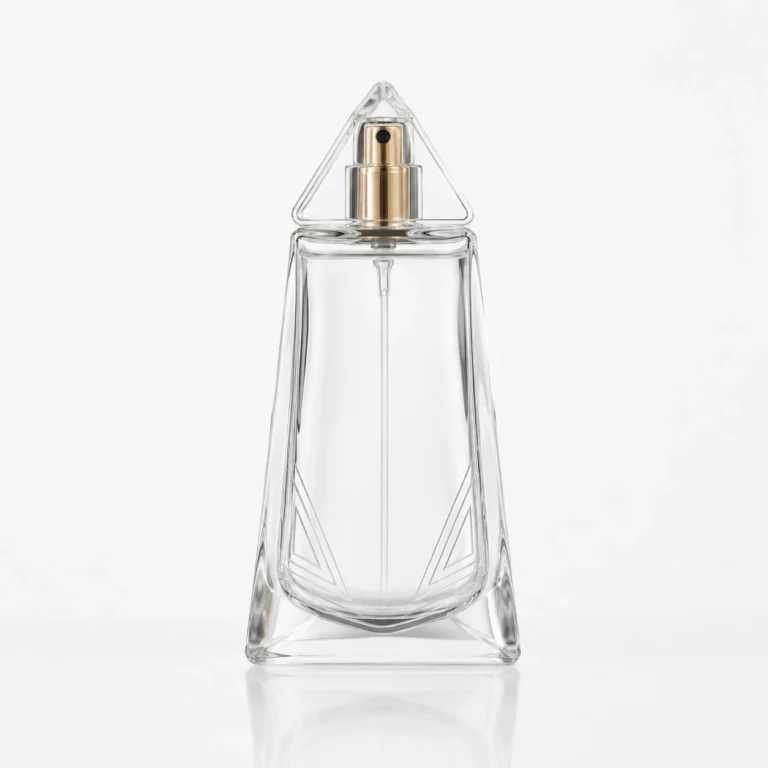
30ml / 50ml Engraved Triangle Glass Perfume Bottles – Wholesale
View Details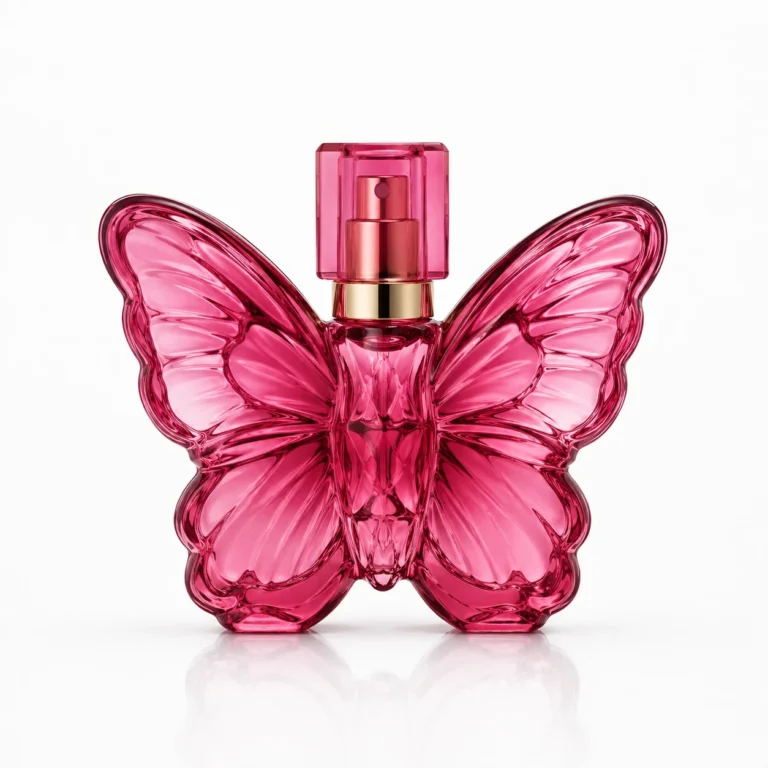
80ml Butterfly-Shaped Glass Perfume Bottle – Wholesale
View Details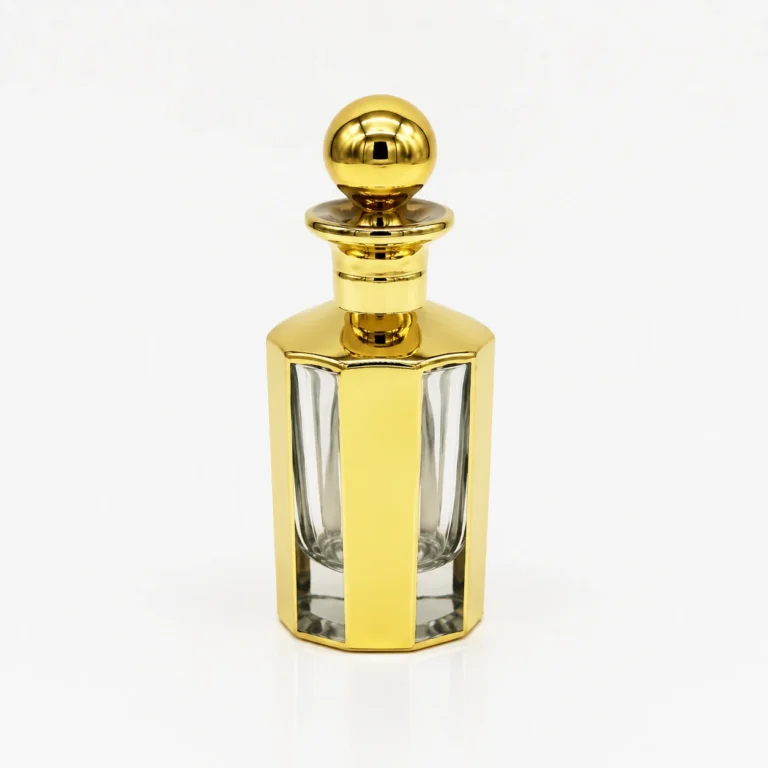
100ml Arabic-Style Glass Perfume Decanter with Glass Stopper – Wholesale
View Details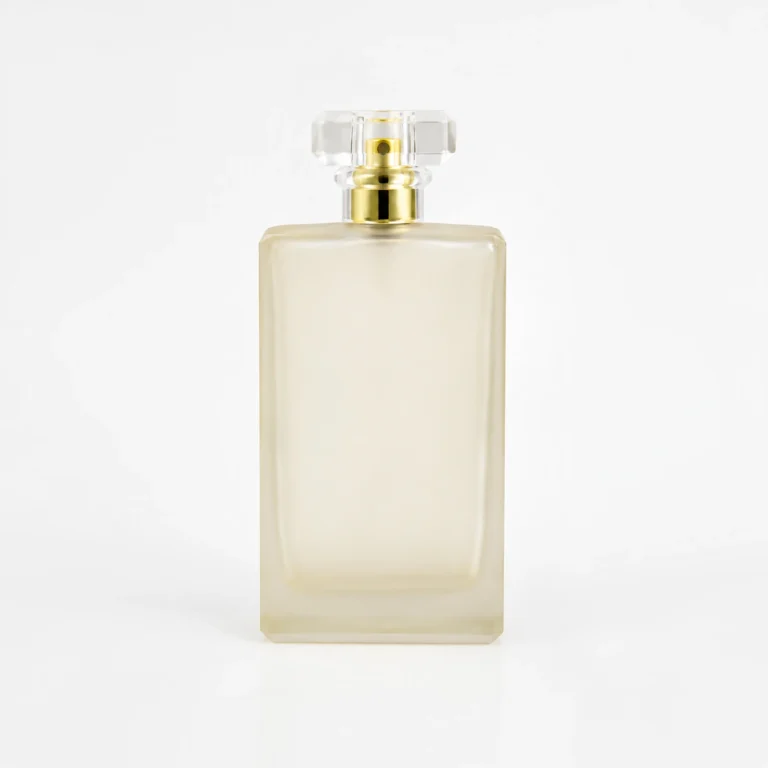
120ml Light Yellow Frosted Glass Perfume Bottle – Wholesale
View Details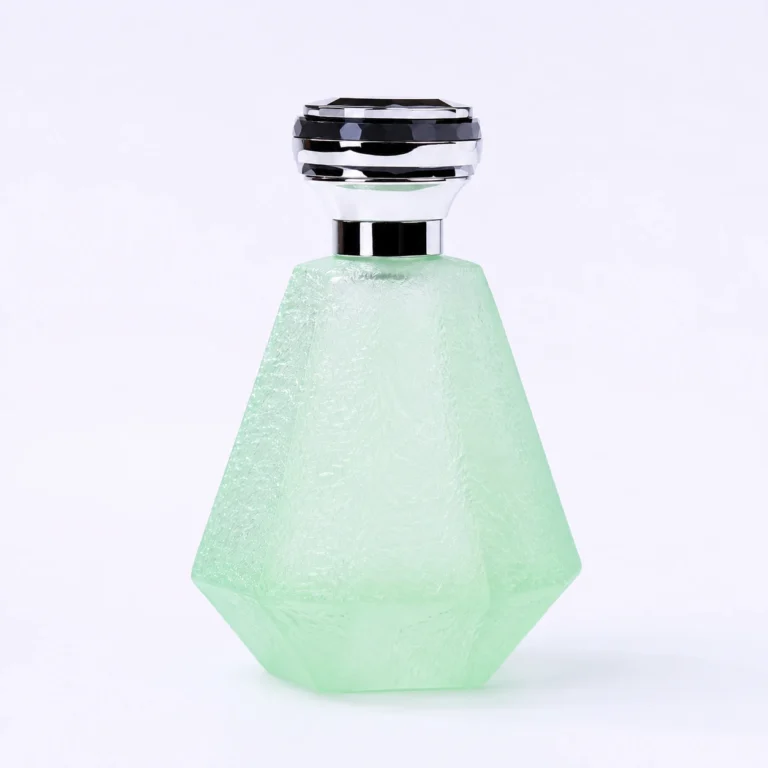
30ml / 50ml / 100ml Diamond-Shaped Frosted Glass Perfume Bottles – Wholesale
View Details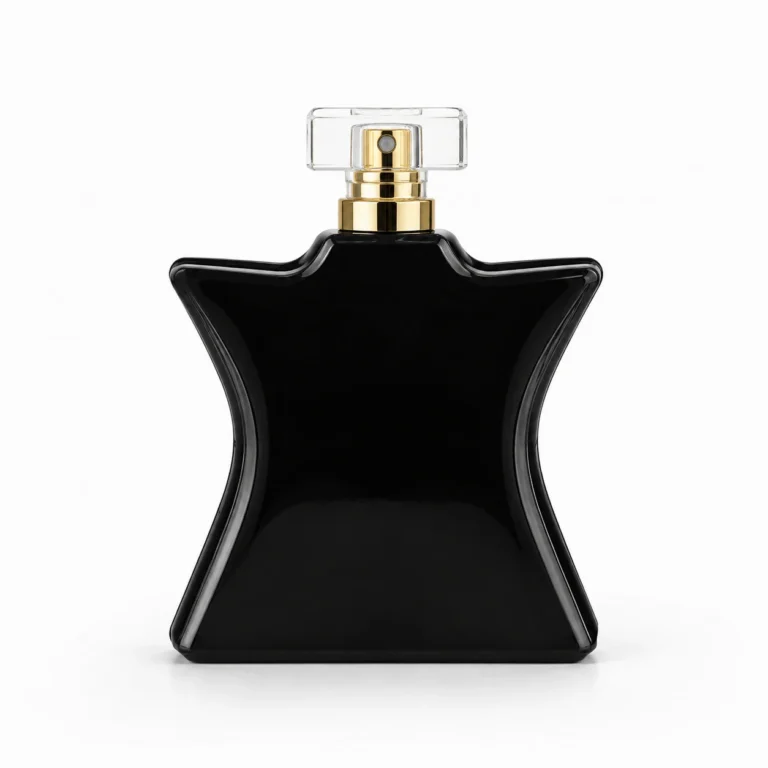
Star-Shaped Glass Perfume Bottle with Square Cap – Wholesale
View DetailsNeed Help Selecting a Suitable Option?
Share the target product, capacity, finish, closure and quantity so we can review matching options.
Discuss Your Requirements →Buyer Considerations
Key Application Requirements
Launch deadline
Work backward from the required ship/retail date, including sampling and production.
Specification freeze
Lock vessel, closure and decoration before mass production.
Sample gates
Approve base, decorated and final packed samples in a defined sequence.
Contingency
Avoid unnecessary custom elements when the schedule cannot support tooling or repeated sampling.
Buying & Specification Guide
Key Considerations for New Product Launch
Capacity Guidance
Choose proven capacities that match the product brief and existing filling/packaging process unless a new size is commercially necessary.
Shape Guidance
Use established shapes for faster launches; custom shapes require additional tooling, samples and schedule margin.
Material Guidance
Select material early because it affects decoration, compatibility, tooling and packing decisions.
Closure Guidance
Confirm closure fit and supply availability before artwork/box files are finalized.
Safety & Compatibility
Complete formula, leakage, burn or relevant application tests before production release.
Decoration & Packing
Finalize decoration and pack dimensions only after the assembled product is approved. Include transport protection in launch validation.
Frequently Asked Questions
Questions About New Product Launch
Can a small launch use custom colors and logos?
Custom colors and logos can be discussed for a small launch, but the practical minimum depends on the selected product and decoration process. Printing, spray coating, electroplating, decals and custom boxes can each have different setup quantities. For a lower-risk launch, start with an existing bottle or jar and limit the number of custom processes where possible. Provide the model, target quantity, Pantone reference and artwork so the team can confirm which customization route is commercially realistic for the planned first production run.
Is a custom mold necessary for a new brand?
No. A new brand can often launch with an existing bottle or jar and build a distinctive identity through color, decoration, closures, labels and boxes. This usually reduces tooling risk and makes sampling easier. A custom mold becomes more relevant when the container shape itself must be exclusive or when long-term volume justifies tooling. Start by comparing existing models with the brand brief, then decide whether the remaining design gap truly requires a new mold.
What is the difference between stock products, standard production, and custom-mold packaging?
A stock or readily available item is an existing model that may be sampled quickly. Standard production also uses an existing mold, but a fresh batch may need to be produced in the required quantity or color. Custom-mold packaging changes the container structure itself and requires design review, tooling and trial samples. Many brand projects can stay with an existing mold and create differentiation through color, decoration, caps, lids and boxes.
What types of samples are available for a packaging project?
Sample type depends on what needs to be approved. A standard sample is useful for checking shape, capacity and general quality; a decorated sample is better for color, printing, coating or logo placement; and a component-matched sample helps verify pumps, caps, lids, stoppers or reeds. Custom-mold projects normally require trial samples from the new tooling. Tell us what you need to evaluate so the appropriate sample route, cost and lead time can be confirmed.
Related Resources
Buying Guides & Project References
Request a Quote
Discuss Your Packaging Application
Tell us your end use, product format, target capacity, filling, closure and branding requirements to shortlist suitable packaging.