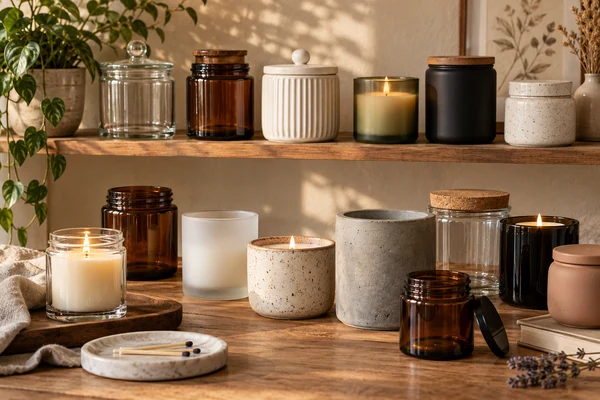

Struggling to find the perfect vessel for your new candle line? The sheer number of options can be overwhelming, and you might worry that choosing the wrong one could lead to poor performance or even safety issues. The best glass container for candles is one that masterfully blends aesthetic appeal with the non-negotiable principles of physics and safety, ensuring a beautiful product that burns perfectly every time.
The best type of glass container for candles is a vessel made from properly annealed soda-lime glass with uniform wall thickness, a heavy base, and a diameter-to-height ratio between 1:1 and 3:4. This specific combination ensures optimal burn performance, prevents safety hazards like cracking, and provides a premium feel for the end user.
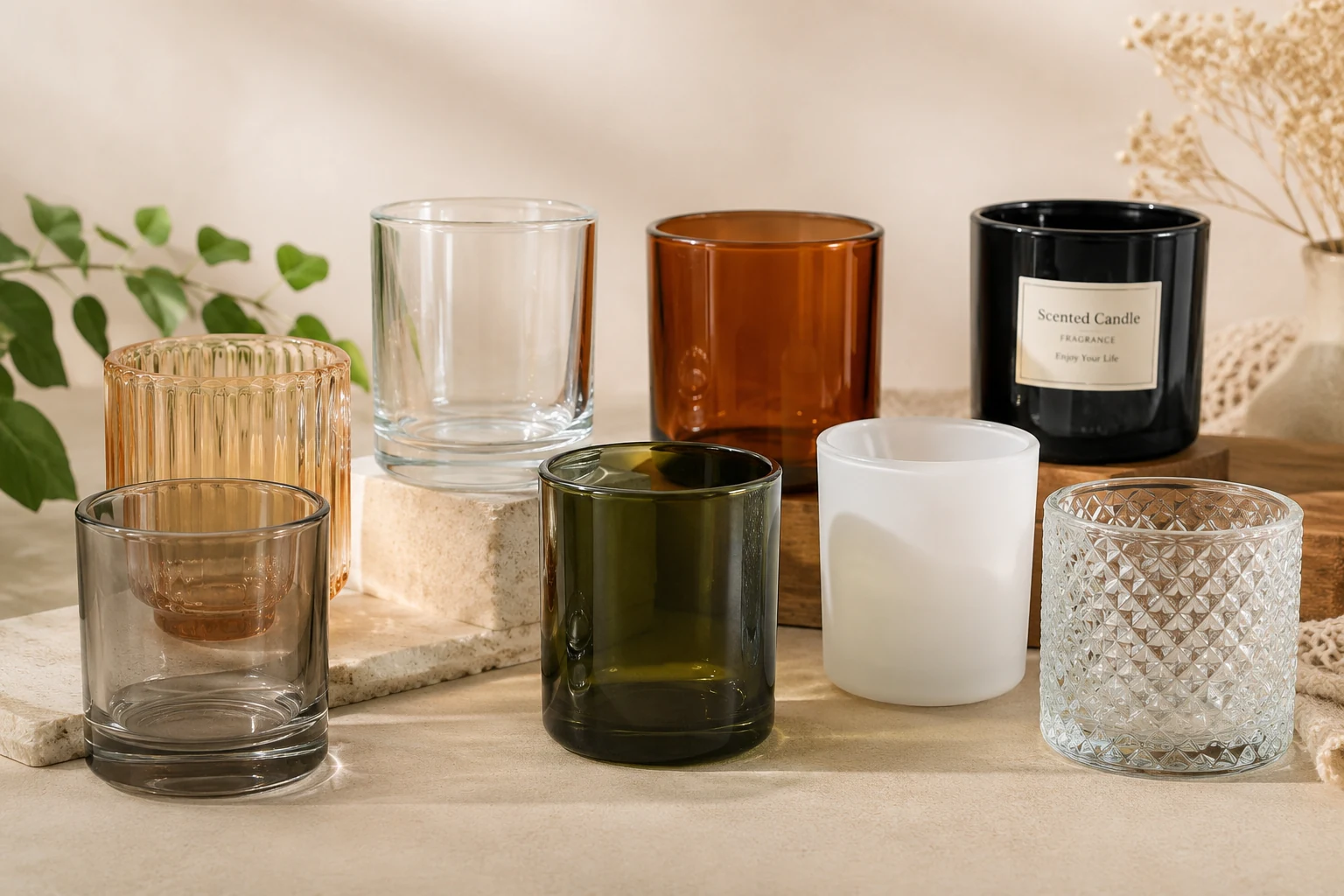
Choosing the right container goes far beyond just picking a pretty shape. It’s a critical business decision that impacts everything from burn quality and customer safety to your brand’s reputation and shipping costs. Let's explore the key factors you need to evaluate.
Does the shape of a glass container for candles really matter?
You’ve found a visually stunning jar that perfectly matches your brand aesthetic, but will it perform as beautifully as it looks? Many brands prioritize appearance, only to face issues like tunneling or sooting later. The shape is more than just looks; it's fundamental to performance and safety.
Yes, the shape and proportions of a glass container for candles are critical. The ratio of the container's diameter to its height directly influences heat distribution and oxygen flow, which determines whether the candle burns cleanly and evenly or becomes a smoky, wasteful mess.
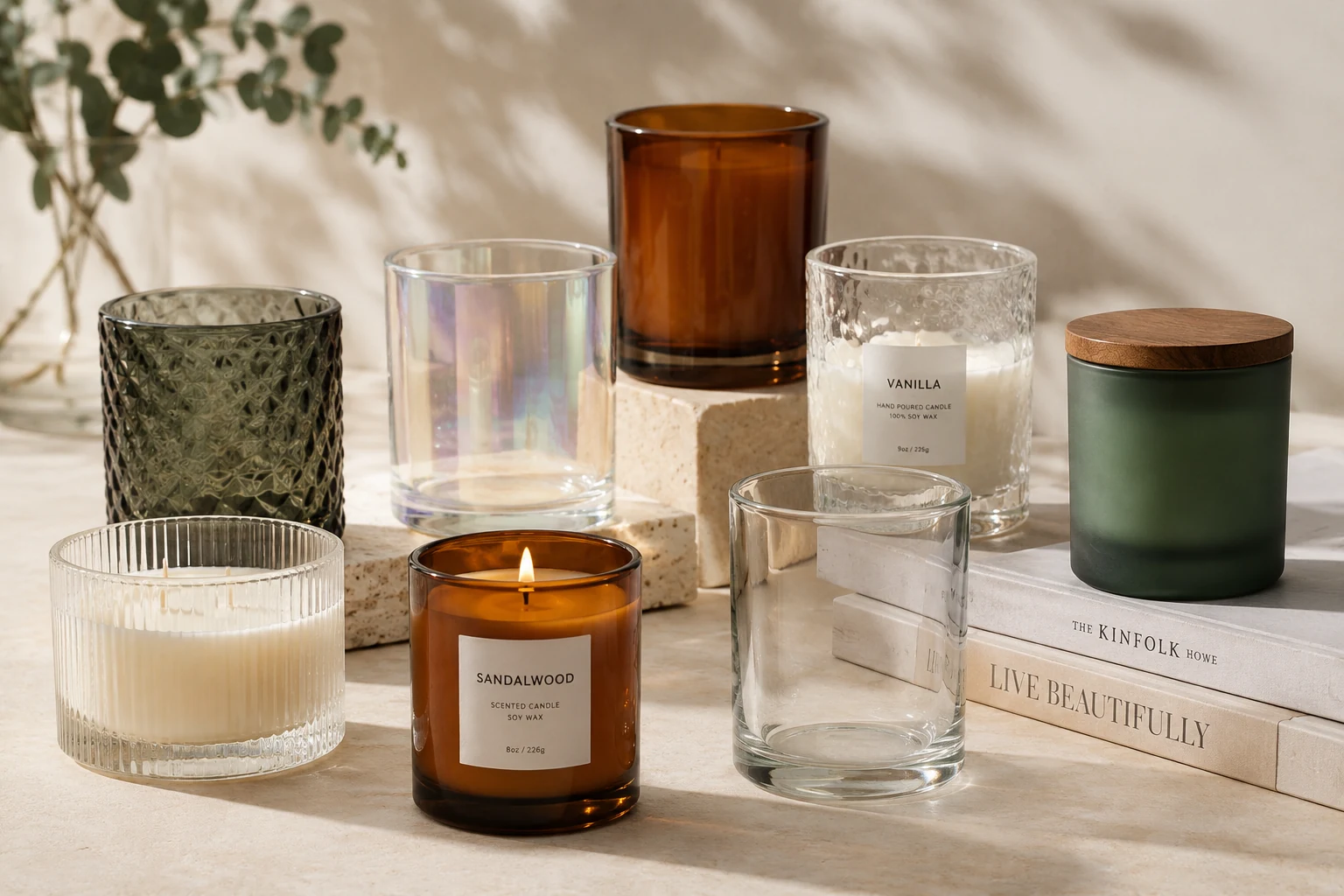
Dive Deeper: The Physics Behind the "Golden Ratio"
Many of our clients focus only on the visual appeal when selecting a product. As a manufacturer with over two decades of experience, I see the underlying fluid dynamics and thermodynamics at play. When we develop samples, I always emphasize that the ideal ratio between a container's mouth diameter and its height should be controlled between 1:1 and 3:4.
This isn't an arbitrary rule; it's based on how a flame interacts with its environment.
The Ideal Ratios for Candle Performance
We can break down these proportions into a few key categories, each with its own characteristics:
| Ratio Type | Diameter vs. Height | Best For | Characteristics |
|---|---|---|---|
| Elegant & Slender | Height > Diameter (e.g., 3:4) | High-end, luxury lines | Creates a tall, graceful profile. Common on premium retail shelves. |
| Classic & Balanced | Height = Diameter (e.g., 1:1) | Versatile, mass-market | Feels stable and substantial. Offers an excellent sense of weight when filled with wax. |
| Stable & Broad | Height < Diameter (e.g., 4:3) | Multi-wick, large spaces | Ideal for wide scent throw. Can appear squat; often used for special editions. |
Why We Champion the BGC7080 and BGC8090 Models
There's a reason our BGC7080 (approx. 7cm diameter, 8cm height) and BGC8090 (approx. 8cm diameter, 9cm height) models are perennial best-sellers. They perfectly embody this "sweet spot" for combustion performance.
- Problem with Wide Jars: If the diameter is too wide, the heat from a single wick can't reach the outer edges of the container. This causes the wax to melt only in the center, creating an ugly "tunnel" and wasting a significant amount of wax.
- Problem with Narrow Jars: If the diameter is too narrow, two dangerous things happen. First, the limited oxygen supply can cause the flame to flicker and produce black soot that coats the inside of the glass. Second, the flame gets dangerously close to the walls. When clients conduct burn tests with powerful, high-quality wicks (like a CDN 20) to achieve a full melt pool, a narrow jar can experience localized overheating, leading to a high risk of the glass cracking.
Our BGC7080 and BGC8090 designs exist in that perfect middle ground, providing enough space for a clean burn while ensuring heat is distributed effectively for a full, safe melt pool.
What makes a quality glass container for candles safe?
You're comparing quotes from different suppliers and notice one is significantly cheaper. Is it too good to be true? Often, the answer is yes. The hidden dangers—and costs—are found in the manufacturing details you can't see with the naked eye.
A safe glass container for candles is defined by two invisible but crucial manufacturing processes: a proper annealing cycle to remove internal stress and perfectly uniform wall thickness to ensure even heat expansion and prevent cracking.

Dive Deeper: The Inner Strength of Glass
In B2B procurement, it's common for buyers to compare our pricing with mass-produced, low-cost alternatives on the market. I typically guide them to look at two things that determine the true value and safety of a candle jar: wall thickness uniformity and the annealing process.
The Critical Role of the Annealing Process
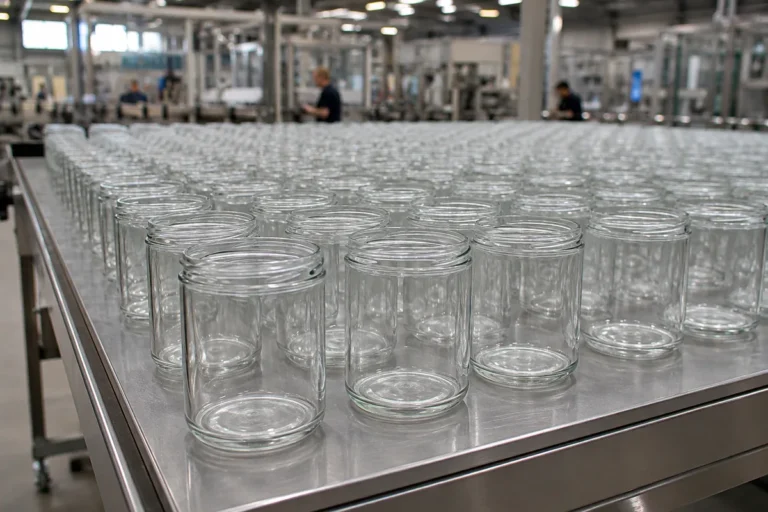
The single greatest fear in candle making is a container that shatters from thermal shock. After a glass jar is molded, it contains immense internal stresses. To neutralize these, the container must pass through a long furnace called a lehr, where it is slowly and precisely cooled. This is the annealing process.
If a manufacturer skips or rushes this step to cut costs, the glass remains stressed. When a candle burns down to its final third, the temperature at the base of the jar can rise dramatically. This sudden heat can cause the stressed glass to fracture—often violently. A properly annealed jar can withstand these temperature changes, making it safe for consumer use. When you select a supplier, you should always verify that they have a strict and well-documented annealing protocol.
Wall Thickness Uniformity: The Unseen Detail
At our facility, I demand strict control over the uniformity of the container walls. If one side of the jar is thicker than the other, it will heat up and expand at a different rate. This uneven expansion creates immense pressure within the glass itself. No matter how high-quality your wax or wick is, it cannot save a poorly made jar from its eventual fate: cracking.
These are the details that are invisible to an untrained eye but are absolutely critical. They are the details that determine whether a customer has a delightful experience or a dangerous one—and ultimately, they are what define your brand's reputation for quality and safety.
Is a heavy bottom on a glass candle jar just for looks?
You pick up a premium candle and notice its substantial weight, much of which comes from a thick glass bottom. Is this just a marketing gimmick to make the product feel more expensive? While it adds a premium touch, its primary purpose is a critical safety feature.
No, a heavy base on a glass container for candles is a crucial functional element. It acts as an insulator, protecting furniture and surfaces from intense heat when the candle burns to the bottom, while also providing stability and a tangible sense of quality.
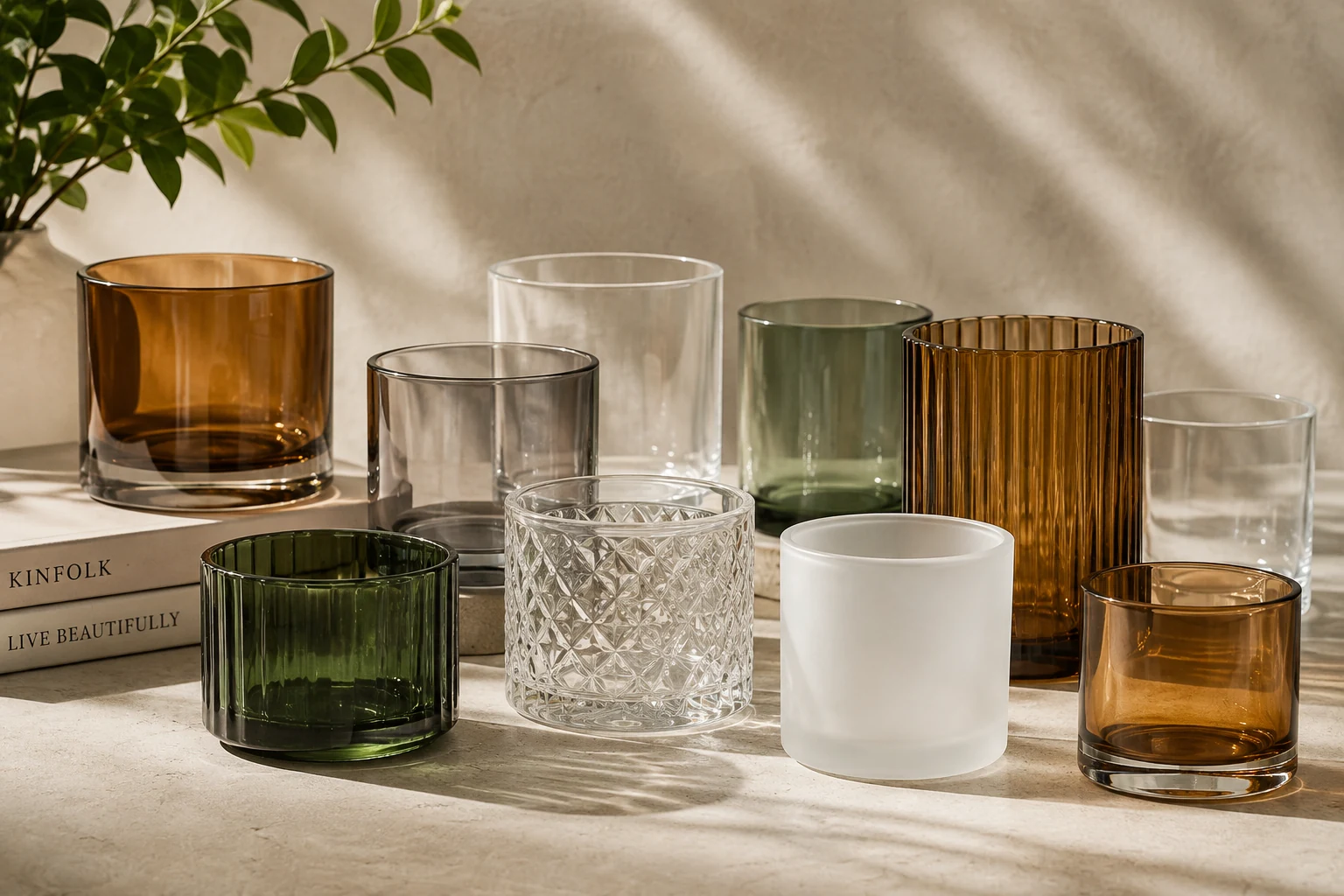
Dive Deeper: The Strategic Value of a Heavy Base Design
If you look at our most popular candle jars, you'll notice they often feature a "heavy base." This is an intentional design choice with significant commercial and safety implications.
A Shield for Your Customer's Furniture
While the added weight certainly contributes to a more luxurious, high-end feel in the hand, its functional benefit is far more important. The thick, solid glass at the bottom of the jar serves as an excellent thermal insulator.
Think about the final hours of a candle's life. As the flame and wick holder sink to the bottom, the heat concentrated in the last few millimeters of wax becomes intense. If that heat were to transfer directly through a thin glass bottom, it could easily scorch, warp, or discolor a customer's expensive wooden table, lacquered countertop, or stone mantle. The heavy base acts as a protective buffer, absorbing and dissipating that heat. It's an invisible protection we build in for the end consumer.
Building Brand Trust from the Bottom Up
From a brand perspective, this design feature is a moat for your reputation. A customer whose furniture is damaged by your product is a customer you will likely lose forever, and they may share their negative experience online. By investing in a container with a protective heavy base, you are proactively preventing customer complaints, potential liability, and damage to your brand's credibility. It’s a small detail that demonstrates a commitment to quality and safety that customers can literally feel.
How can choosing the right glass container save you money on shipping?
As an importer or brand owner, you're constantly battling high international shipping costs that eat into your profit margins. You may also be frustrated by receiving shipments where a percentage of the product is damaged and unsellable. Your choice of container shape has a direct and measurable impact on both of these problems.
Standardized, well-proportioned glass containers like classic cylinders allow for optimal packing density. This maximizes the number of units per carton and pallet, significantly lowering your per-unit freight costs and reducing the risk of damage during transit.
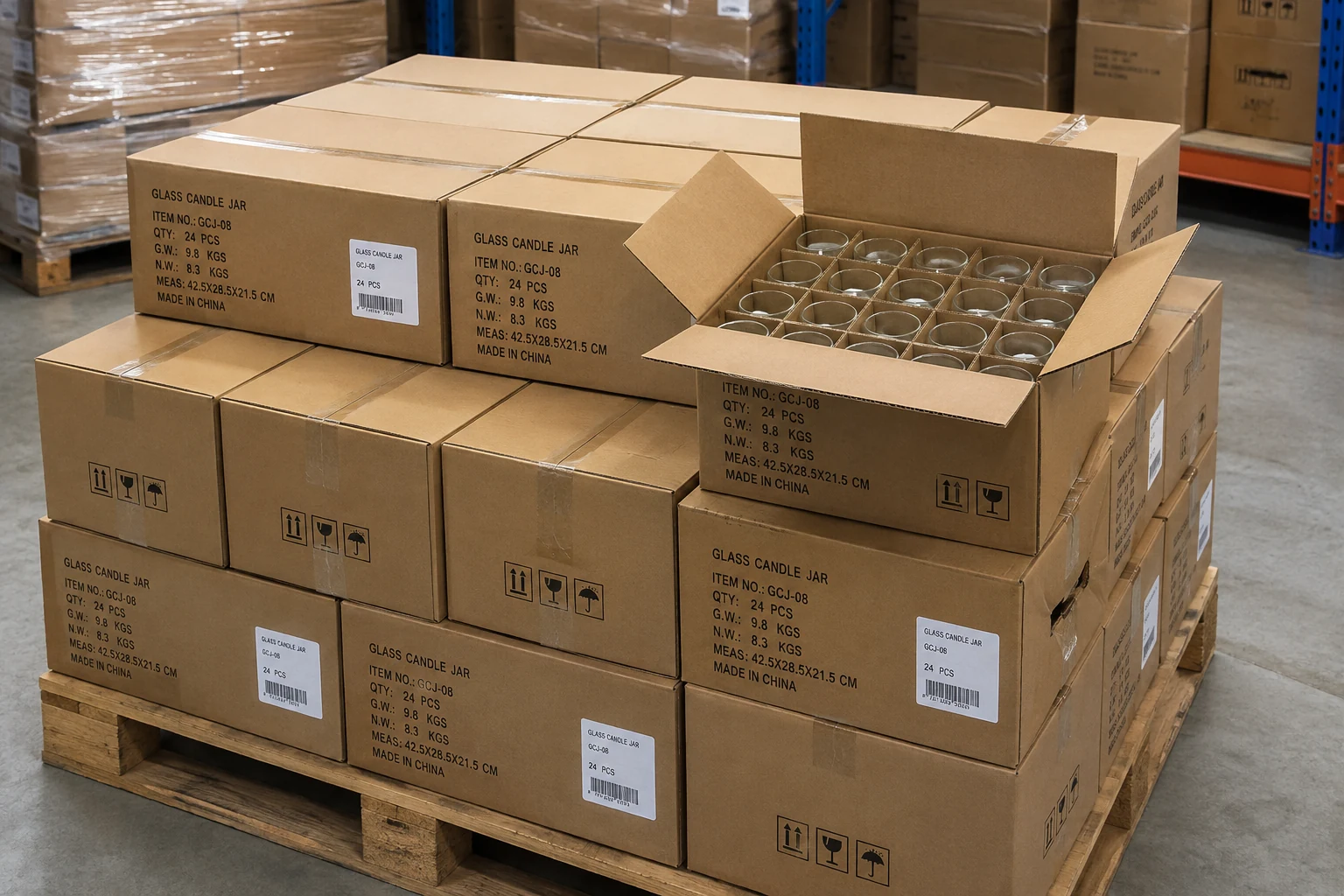
Dive Deeper: The Hidden Profit in Smart Logistics
Finally, let's talk about a "hidden cost" that many new brands overlook: logistics. There's a practical, profit-driven reason why I often recommend that small- and medium-sized brands start with a classic, time-tested shape like our BGC7080 or BGC8090. These dimensions have been validated by countless sea freight shipments.
Maximizing Your Packing Rate
International freight is often calculated by volumetric weight—the amount of space your shipment occupies. Wasted space is wasted money. Oddly shaped, tapered, or oversized containers create empty pockets inside a shipping carton.
Classic cylindrical shapes, however, allow for incredible packing efficiency. Their volume can be calculated to perfectly fit into standard export cartons and pallets, achieving an optimal packing rate. Less wasted space directly translates into lower sea freight costs for you. Every dollar you save on shipping is a dollar added directly to your net profit at the end of the year.
Minimizing Breakage, Maximizing Profit
Beyond cost savings, there's the issue of durability. The classic, balanced proportions of these containers ensure that forces are distributed evenly. During the long, bumpy journey of cross-continental shipping, this structural integrity is a major advantage.
When combined with our professional packaging—like sturdy, egg-crate style dividers that cradle each jar—the breakage rate for these standard shapes can be minimized. Every jar that arrives broken is a total loss of product cost, shipping cost, and potential revenue. By choosing a logistically intelligent glass container for candles, you protect your investment and ensure more of your product arrives ready for sale.
Frequently Asked Questions
What is soda-lime glass?
Soda-lime glass is the most common type of glass produced, used for everything from windows to beverage bottles. For candles, it's ideal because it's cost-effective, easily molded, and, when properly annealed, has excellent thermal shock resistance suitable for the temperature changes of a burning candle.
Can I use any random glass jar for a candle?
Absolutely not. You should never use a jar that is not specifically designed and tested for candle making, such as a food jar or decorative vase. These items are not annealed to withstand the direct, sustained heat from a flame and can easily crack or shatter, posing a serious fire hazard.
What's the ideal wall thickness for a candle jar?
While a thickness of around 3mm is a good general benchmark, uniformity is far more important than the absolute measurement. A jar with perfectly even 2.5mm walls is safer than a jar that varies from 3mm on one side to 5mm on the other. Uneven thickness creates stress points that lead to failure.
Why does my candle get black soot on the glass?
Black soot is usually caused by an incomplete burn. The most common reasons are a wick that is too large for the container diameter, creating a large, smoky flame, or a container diameter that is too narrow, which restricts airflow to the flame. Proper wick and container pairing is essential.
What is the minimum order quantity (MOQ) for custom glass containers?
MOQs can vary widely depending on the complexity of the design. For simple customizations like color spraying or printing on an existing model, the quantity is lower. For creating a completely new mold, the MOQ is higher to cover tooling costs. Please contact our team to discuss your specific project needs.
Conclusion
Choosing the best glass container for candles is a strategic decision, not just an aesthetic one. The ideal vessel is a fusion of thoughtful design and meticulous manufacturing. By focusing on the four key pillars—the diameter-to-height ratio for a clean burn, the annealing and wall uniformity for safety, the heavy base for protection and a premium feel, and the logistical efficiency for profitability—you can select a container that elevates your product and protects your brand. Making the right choice from the start ensures your customers receive a candle that is safe, beautiful, and performs flawlessly from the first light to the very last.
If you are ready to develop a candle line with containers that are safe, efficient, and perfectly aligned with your brand, our team at Bright Glassware is here to help you select or customize the perfect solution. Contact us today to discuss your project.
Keep Reading