
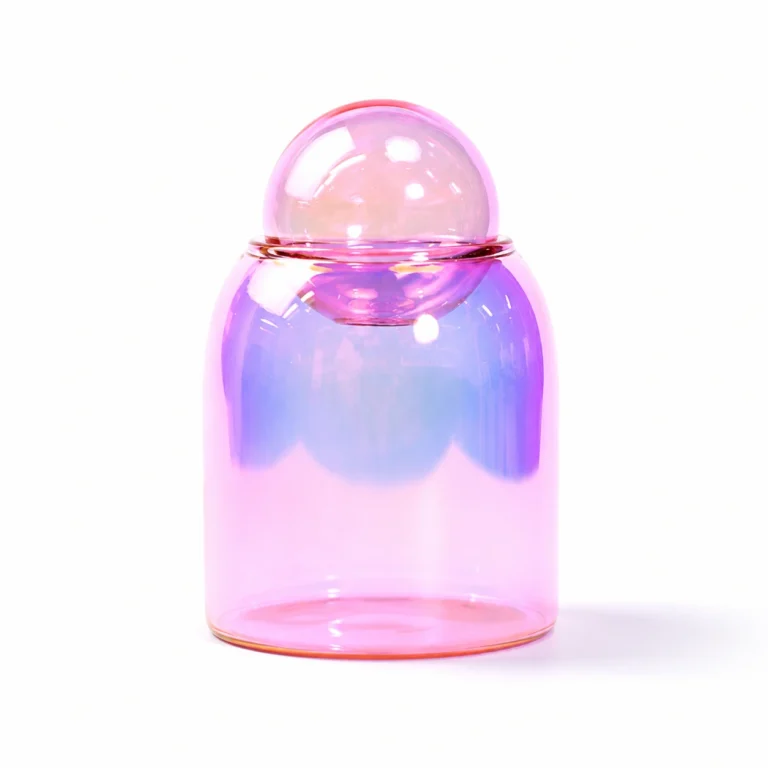
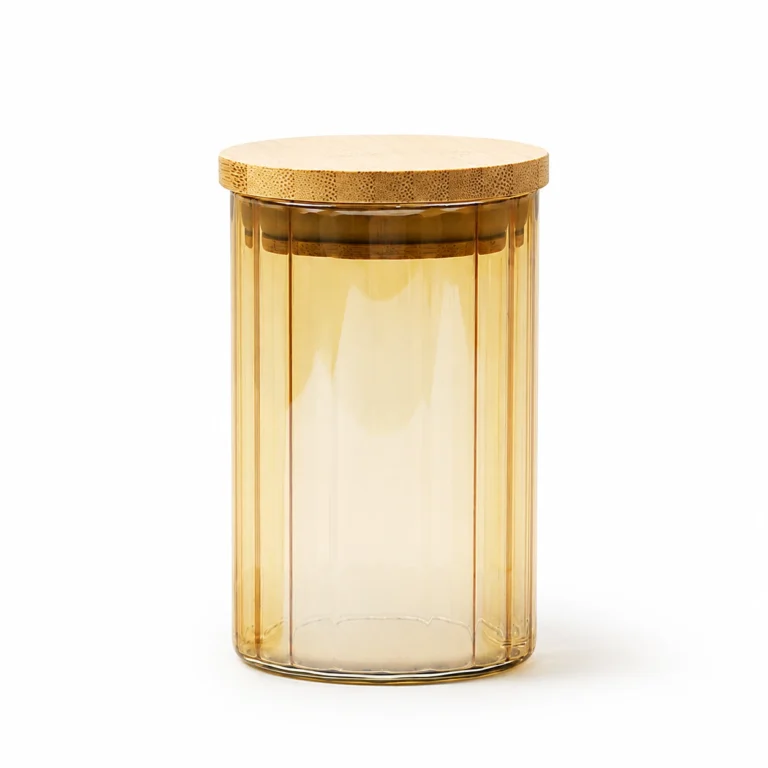
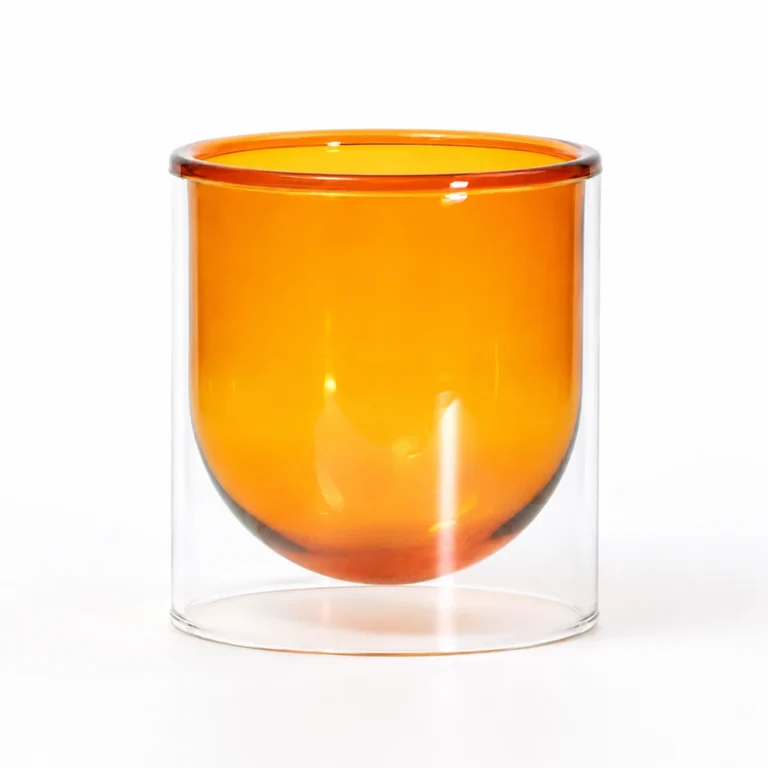
Jars for candle making should be selected around the complete candle system: usable wax fill, internal diameter, wick layout, headspace, vessel geometry and lid fit. Nominal volume or an “8oz / 10oz / 12oz” label is not enough to predict how a finished candle will perform.Shortlist vessels using real dimensions, then fill and burn production-representative samples with the intended wax and fragrance. Approve wick position, melt-pool development, vessel temperature, decoration and final lid/box presentation before mass production.
Available Products
Showing 1–12 of 55 products
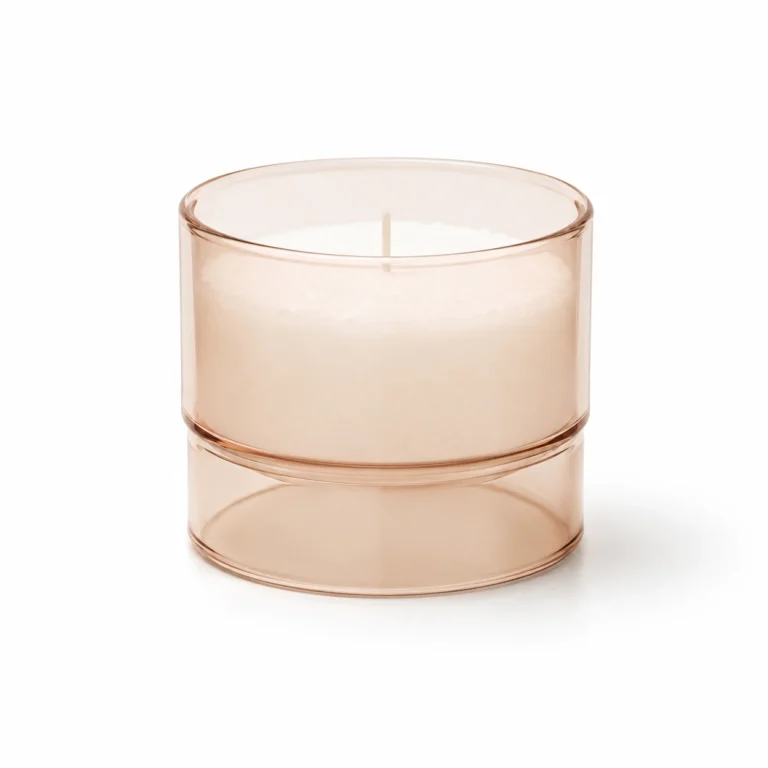
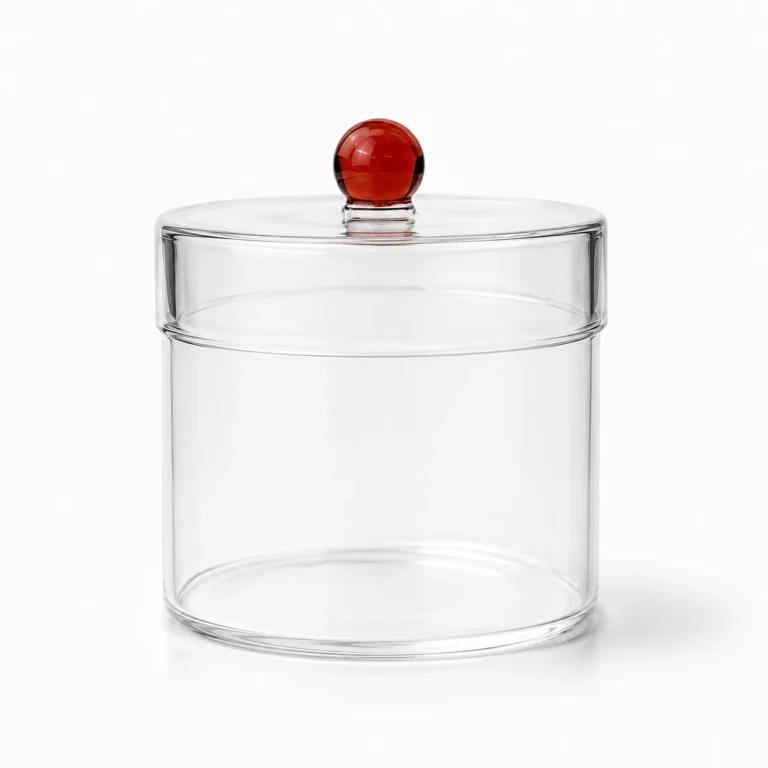
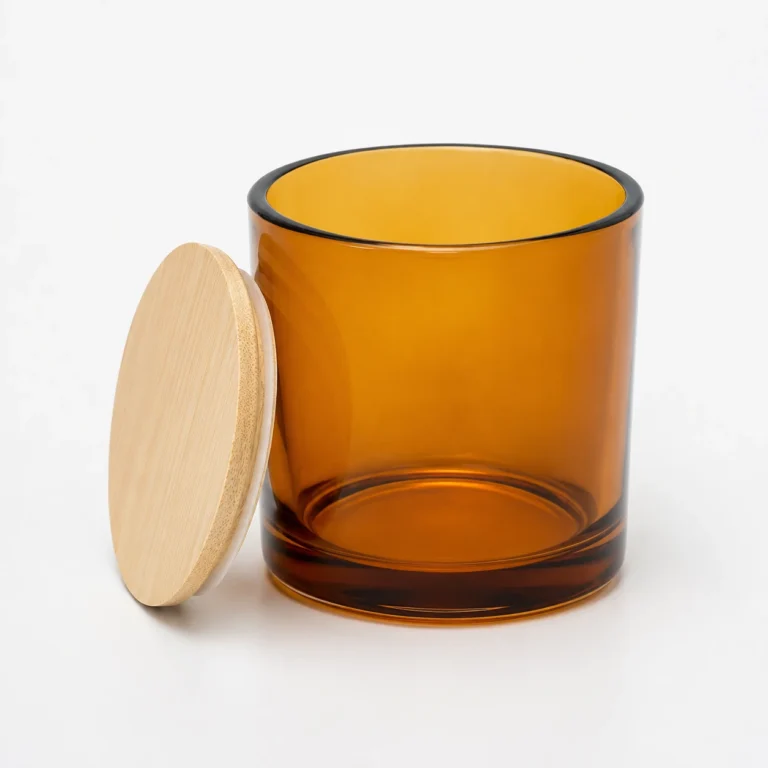
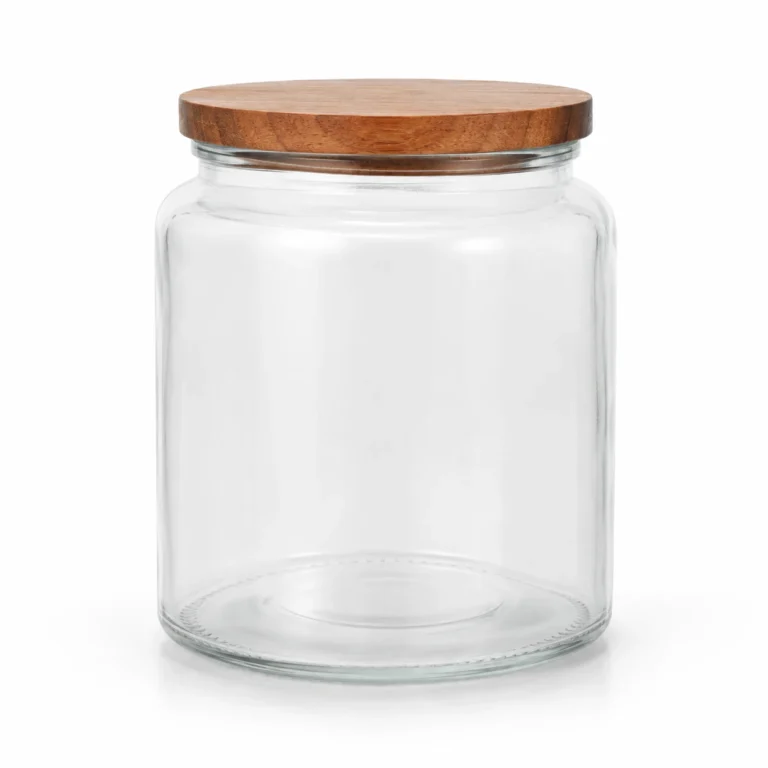
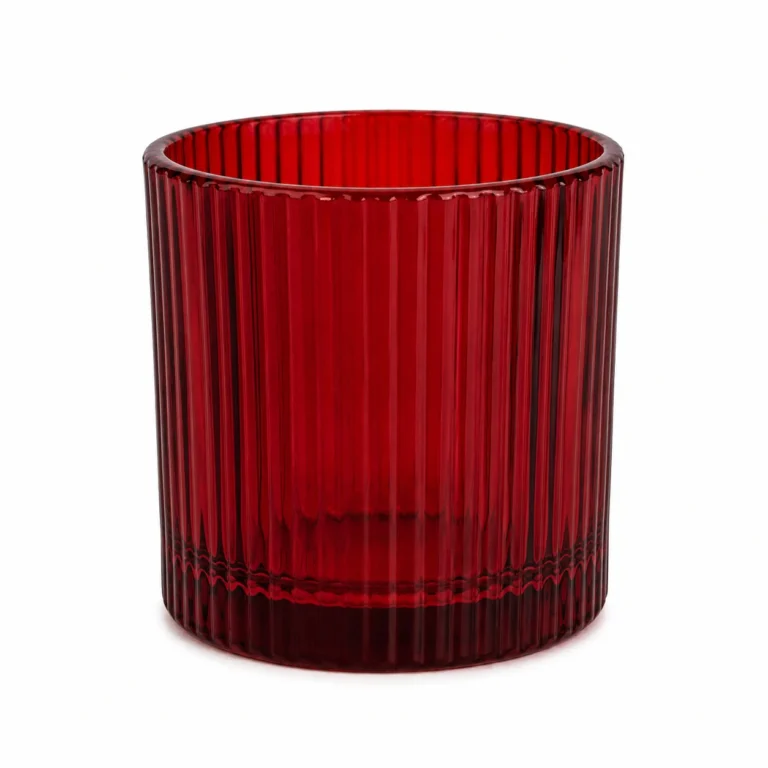
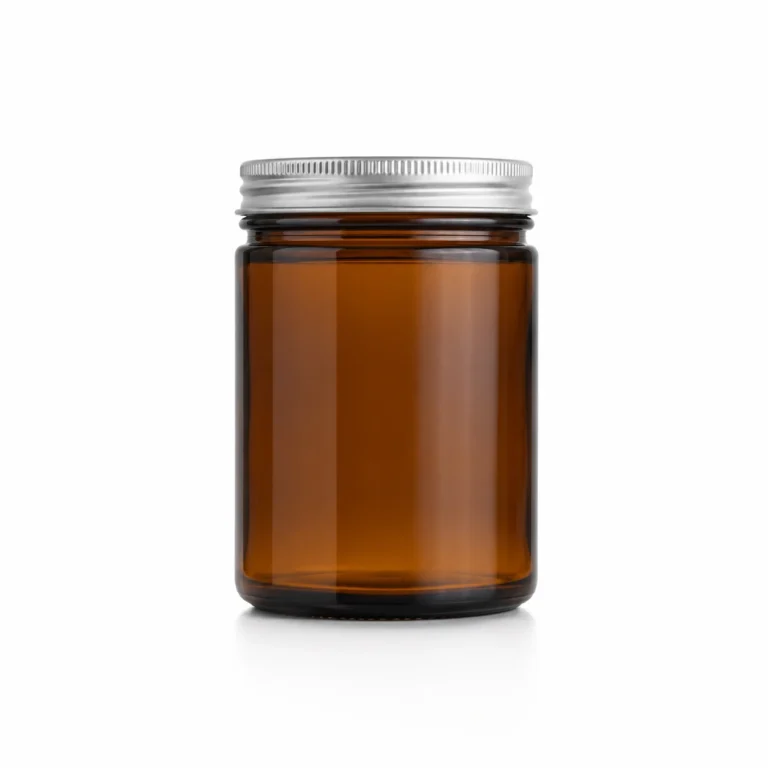
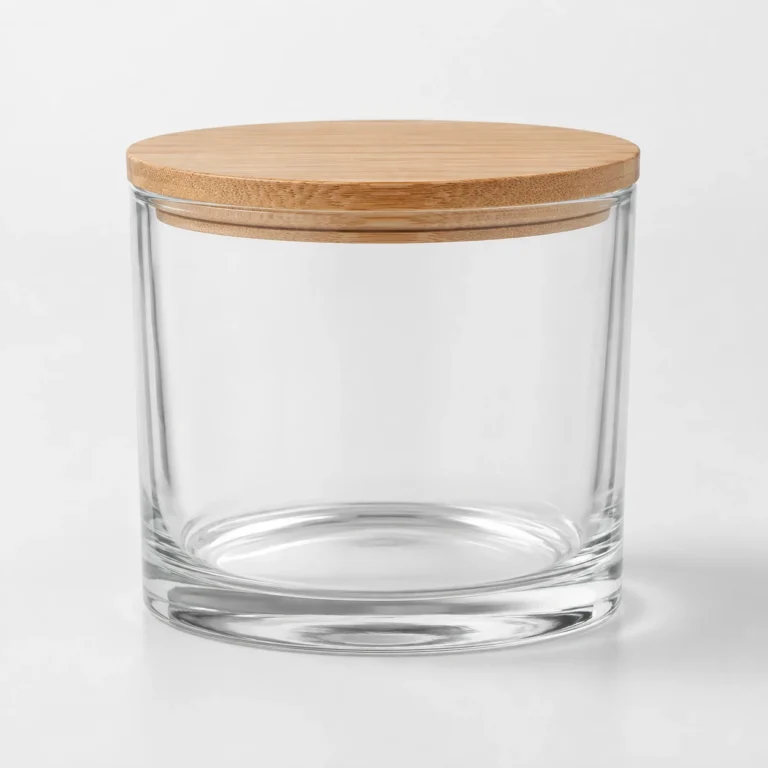
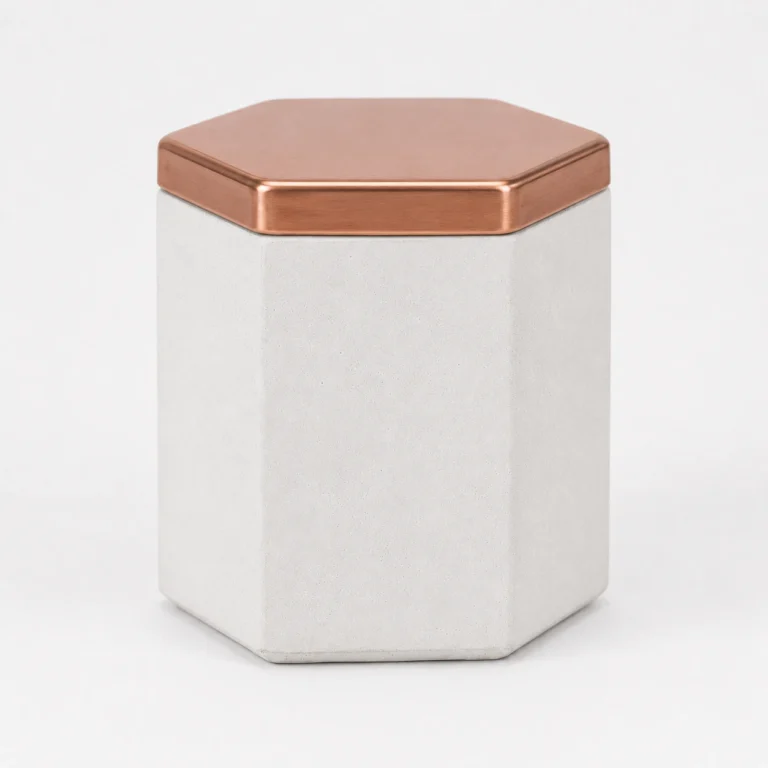
Need help narrowing the options?
Share your fill, capacity, closure, branding and packing requirements. We can shortlist suitable packaging systems before you order samples.
Establish the commercial wax fill on the actual jar instead of converting nominal volume directly into wax weight.
Record inner diameter and usable candle depth for wick-development work.
Use suggested wick sizes only as starting points; final selection requires burn testing with the real formula.
Approve wax, wick, vessel, lid, decoration and retail packing as one system.
Capacity should be based on usable wax fill after required headspace, not the nominal container volume alone. Compare the finished candle weight and target burn format across shortlisted sizes.
Complete burn testing with the intended wax, fragrance load and wick system. Review vessel temperature, flame behavior, end-of-life burn conditions and any relevant handling risks before production.
Project Support
Continue with the pages most relevant to the next sourcing, customization, validation or delivery decision for this application.
Coordinate jars, lids, decoration, packaging, sampling and repeat production for candle programs.
Explore page →Coordinate the container, closure, decoration, accessories, packaging, QC and delivery in one project.
Explore page →Build gift boxes, cartons, inserts, labels and branded retail presentation around the glass product.
Explore page →Related Resources
Review the most relevant cases, catalogs and videos before finalizing a product configuration or requesting samples.
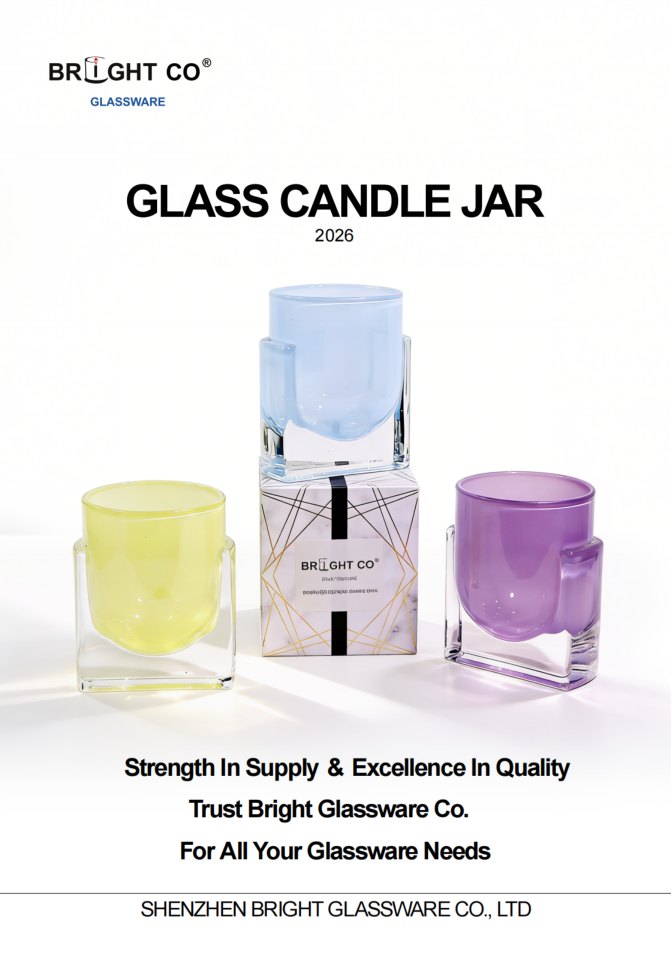
A 20-page glass candle jar catalog covering standard and decorative vessels, custom branding, accessories, packaging and one-stop candle solutions.
View Resource →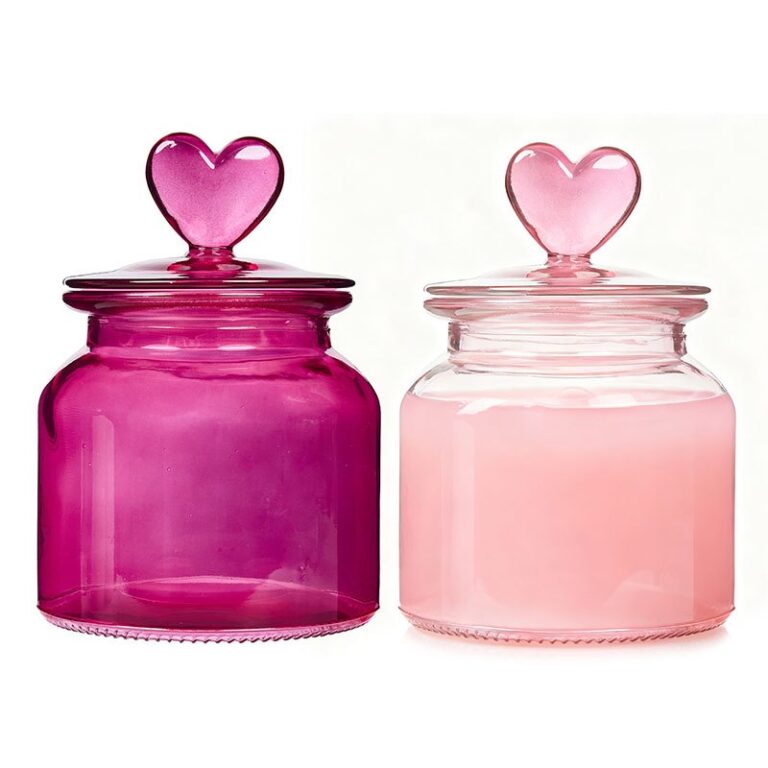
An anonymized case draft showing how Bright Glassware coordinates a frosted candle jar, matching lid, brand decoration and retail gift…
View Resource →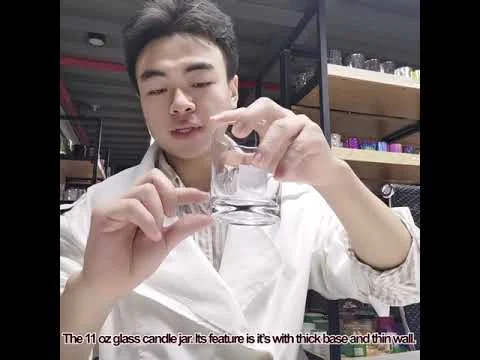
A product demonstration of wholesale glass candle jars, showing the glass quality, shape and practical details for candle packaging projects.
View Resource →FAQ
These answers cover the questions most likely to affect packaging selection, component compatibility, sampling and quotation for this application.
Still have a question? Ask our team →No. A container being made of glass does not automatically make it suitable for candle use. Select a model intended for candle applications and evaluate the complete candle system: vessel geometry, wax, fragrance load, wick, fill level and intended burn conditions.
Before launch, run controlled burn tests with production-representative jars. Decorative appearance alone is not enough to approve a vessel for a candle program.
Start with the planned usable wax fill, target burn format, wick layout, label area, lid, box and desired shelf presence. Review outside dimensions together with the internal diameter and actual usable volume.
A wider jar may require a different wick configuration from a tall narrow jar. Request the drawing and sample, then confirm fill weight, component fit and burn performance before production.
We can provide the jar dimensions needed for wick development, but a final wick specification must be validated with the actual candle formula. Wick performance changes with inner diameter, wax type, fragrance load, dye, wick material and the intended burn profile.
Use the vessel dimensions to select starting wick candidates, then complete repeated burn testing before approving the finished candle.
Before filling, inspect the received containers and separate any pieces with visible damage. Keep vessels dry, clean and free from loose dust, and confirm that the correct jar, lid and decoration have been supplied.
Filling temperature, any preheating method, wick placement, curing and burn-test procedures should be established by the candle manufacturer for the actual vessel, wax and fragrance system. Avoid unapproved cleaning or heating methods that could affect coatings, decals or glazes.
Match the lid to the exact finished jar opening and rim, including any insert, sealing ring or internal structure used by the lid. Nominal diameter alone is not enough to confirm fit.
Approve the jar-and-lid combination on production-representative samples, check opening and closing feel, and then confirm the assembled height and fit inside the final retail and export packaging.
Request a Quote
Tell us the end use, product format, target size, closure or dispensing needs, branding and packing requirements you already know. Our team can review suitable configurations and the next sampling or customization step.
We can narrow the container and component combinations that fit this application before you compare every model.
Container, closure, decoration and secondary packaging can be reviewed together as one application-specific system.
Confirm appearance, component fit, handling and decoration on samples before bulk production.